

Professional planning is considered the foundation of any successful exhibition or conference, as the quality of execution begins with a clear vision and precise preparation. Successful events are never built by chance; they rely on careful analysis of objectives, target audiences, and the key messages to be delivered, in addition to accurate budgeting and scheduling.
The planning process begins by defining the purpose of the event, whether promotional, educational, or informational, followed by studying the expected audience. This helps in selecting the appropriate venue, determining suitable activities, and designing the most effective methods of presentation and engagement. Early planning also helps reduce potential risks and address challenges before they arise.
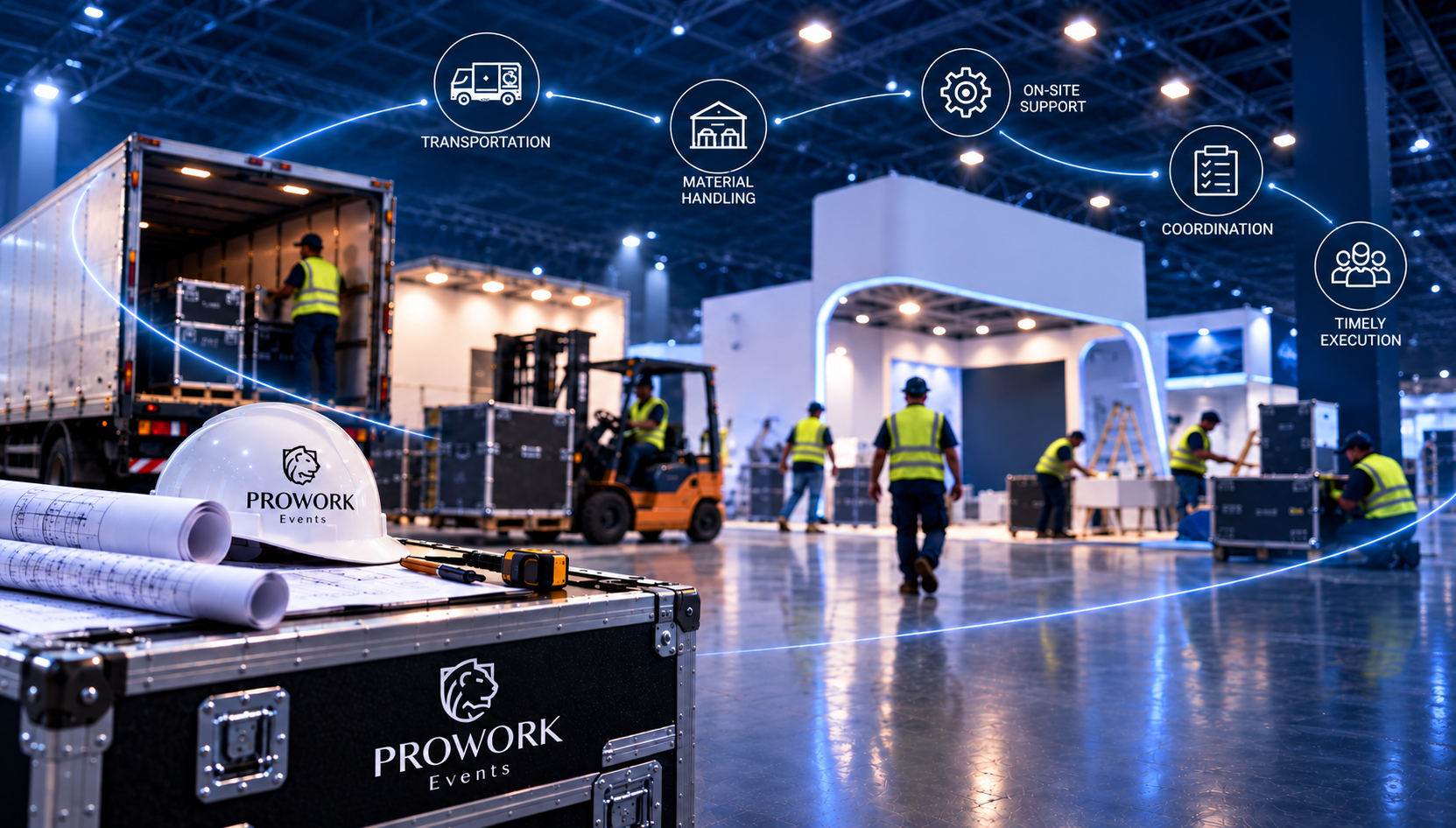
One of the most important aspects of successful planning is establishing a clear timeline that covers all stages of the event, from preparation to post-event activities. This timeline helps teams stay aligned with deadlines and ensures smooth coordination among all involved parties, including suppliers, technical teams, and media partners.
Financial planning also plays a crucial role in the success of any event, as it ensures balanced budget allocation across essential areas such as technical setup, logistics support, and marketing activities without exceeding planned costs. Effective planning also provides the flexibility needed to manage unexpected changes or challenges.
In today’s event management industry, innovation has become an essential component, and this is where strategic planning helps integrate modern technologies and creative solutions that add real value to the attendee experience. Well-structured planning not only ensures the successful execution of an event but also contributes to achieving its objectives and leaving a lasting positive impression on participants.